



 Cargando...
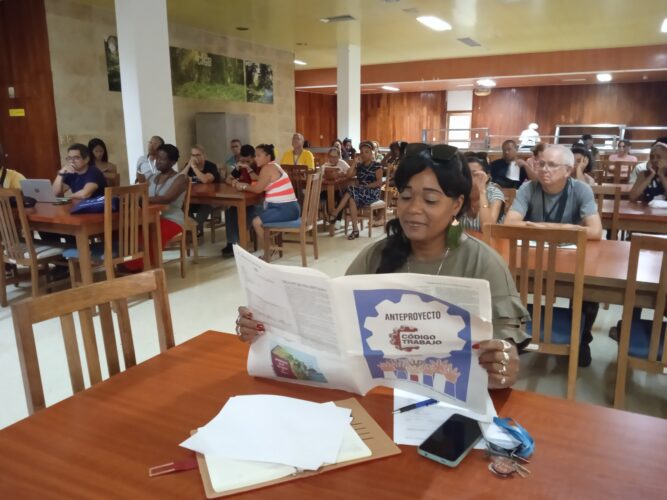
Workers from the Production areas of the Center for Genetic Engineering and Biotechnology (CIGB, in Spanish)—specifically from Planta +, Planta 2, and Biológica I—actively participated in a consultation session on the Draft Labor Code. The event provided a platform to voice concerns about minimum wage, unpaid leave, and working conditions
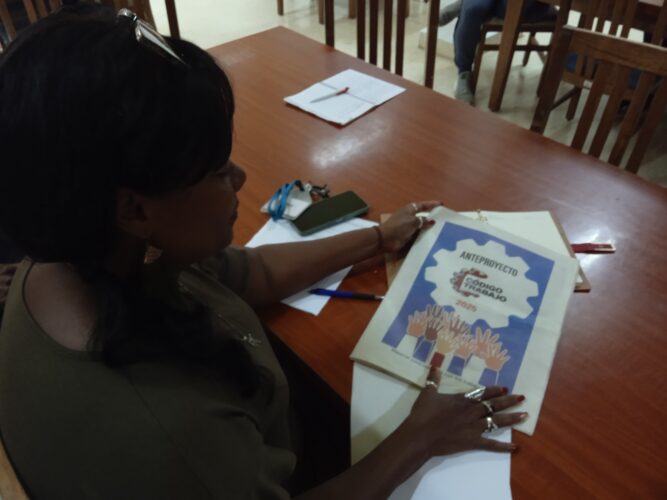
This activity is part of a nationwide consultation process aimed at ensuring all employees have a say in shaping suggestions and proposals for changes or improvements to the new Labor Code.
Legal advisors Yamilka Rodríguez Barrera, Eyleen Almodóvar Núñez, and Mario Luis González Hidalgo Gato attended the session, along with Wilfredo Díaz Cayado, Director of Human Resources, and Joaquín González Amador, member of the union bureau.
Key topics of discussion included minimum wage, unpaid leave, and collective agreements. Oscar Cruz Gutiérrez emphasized the need to revise vacation policies, especially in cases where employees must continue working during their scheduled rest periods. He argued that such labor should be compensated, a view supported by Daniel González, who stressed the importance of recognizing additional effort financially.
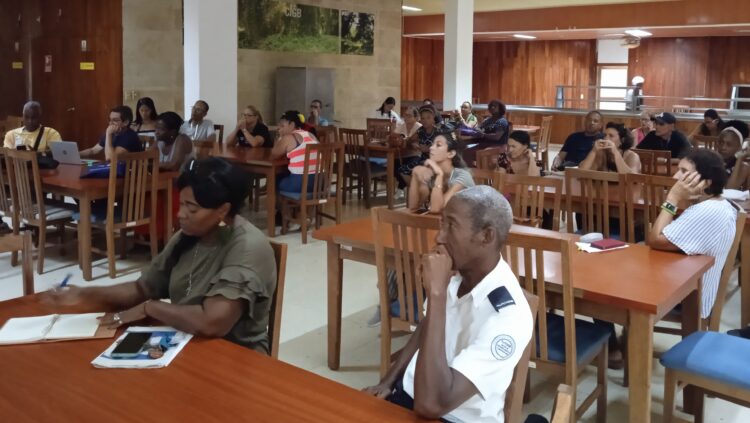
Oscar also addressed wage compensation, proposing more effective mechanisms to economically reward workers based on their specific tasks.
Bionaiky Reyes suggested modifying the duration of unpaid leave, advocating for indefinite protection for workers caring for ill family members, including partial salary support and guaranteed reemployment.
Other proposals focused on hiring retirees, who, according to participants, should receive greater protection through flexible schedules and adapted working conditions.
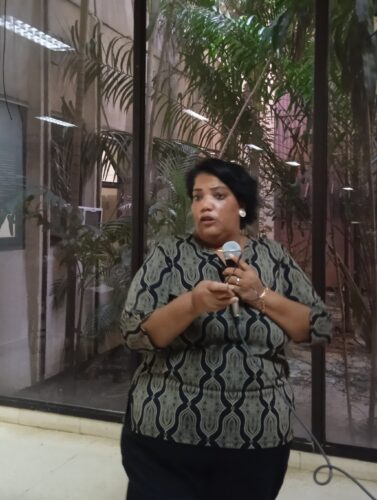
Workers also highlighted the volatility of working conditions and the 24/72-hour shifts common at the center, which often require them to take on extra duties. They proposed that such responsibilities be recognized as multi-activity roles, with appropriate compensation.
Gender protection sparked thoughtful discussion. While the Code includes specific rights for pregnant women, several participants called for greater visibility and protection of male workers’ rights as well.
The role of unions was also examined. Under the current draft, unions are aligned with state interests. Workers proposed that union leaders be elected directly by members and that unions focus genuinely on defending labor rights, independent of administrative or governmental structures.
These consultations, held over several weeks, reflect the CIGB collective’s commitment to building a more inclusive, fair, and realistic Labor Code that aligns with the Cuban workplace environment.
