



 Cargando...
He arrived at the kiosk to buy milk and checked the prices. He pulled out his wallet and quickly asked the question most Cubans are repeating these days when trying to buy something from the non-state sector: “Can I pay by transfer or is it cash only?”
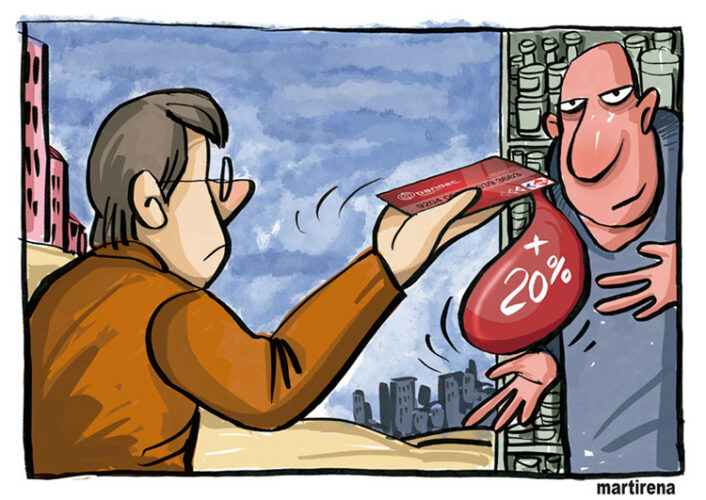
The answer was blunt and far from unique, as the same thing happens in too many places with slight variations. “The price on the board is for cash; if you pay by transfer, it’s 20% more.” The shock hit like a slap in the face, while doubts and confusion grew over something that is expanding and encouraged in commerce worldwide, but in Cuba follows a distorted and unregulated path.
The reasons given by those who charge up to 30% more for card payments range from “we’ve already hit the daily limit (50,000 pesos),” “it’s very hard to withdraw money from ATMs and this is our safeguard,” “we have to buy foreign currency in cash,” and “no one sells to us via transfer,” just to name a few.
The banking process is not a Cuban invention. Electronic or account-based money helps prevent many problems (theft, violence, losses, etc.) and economically allows for greater traceability of real business profits to reduce tax evasion. This last point, without a doubt, is also influencing many private actors who refuse to accept transfers or inflate them at will.
We know that many of these processes don’t work by sheer will or awareness. Fines help, but they don’t solve the issue permanently, especially with corruption also present among inspectors. Wouldn’t it be better to reward or incentivize those who accept more transfers? Don’t the fiscal accounts of businesses that show zero or minimal income raise suspicions of legal noncompliance?
How can we protect consumers in a supply-and-demand market when they’re charged extra just for paying through a digital platform? And the harshest part is that if you refuse, you’re left without the product. We need to pay attention to this. These are stray shots that cause real harm to people—more than they already endure.
Acerca del autor
Máster en Ciencias de la Comunicación. Director del Periódico Trabajadores desde el 1 de julio del 2024. Editor-jefe de la Redacción Deportiva desde 2007. Ha participado en coberturas periodísticas de Juegos Centroamericanos y del Caribe, Juegos Panamericanos, Juegos Olímpicos, Copa Intercontinental de Béisbol, Clásico Mundial de Béisbol, Campeonatos Mundiales de Judo, entre otras. Profesor del Instituto Internacional de Periodismo José Martí, en La Habana, Cuba.
