



 Cargando...
In a changing labor landscape, the inclusion of people with disabilities in both state and non‑state workplaces must be closely monitored by the Workers’ Central Union of Cuba (CTC, in Spanish) and its unions. This was the focus of an evaluation by the organization’s secretariat in Artemisa.
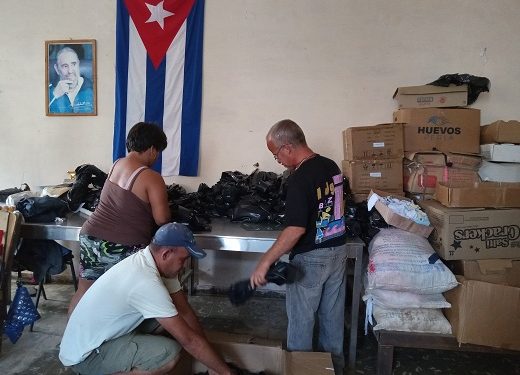
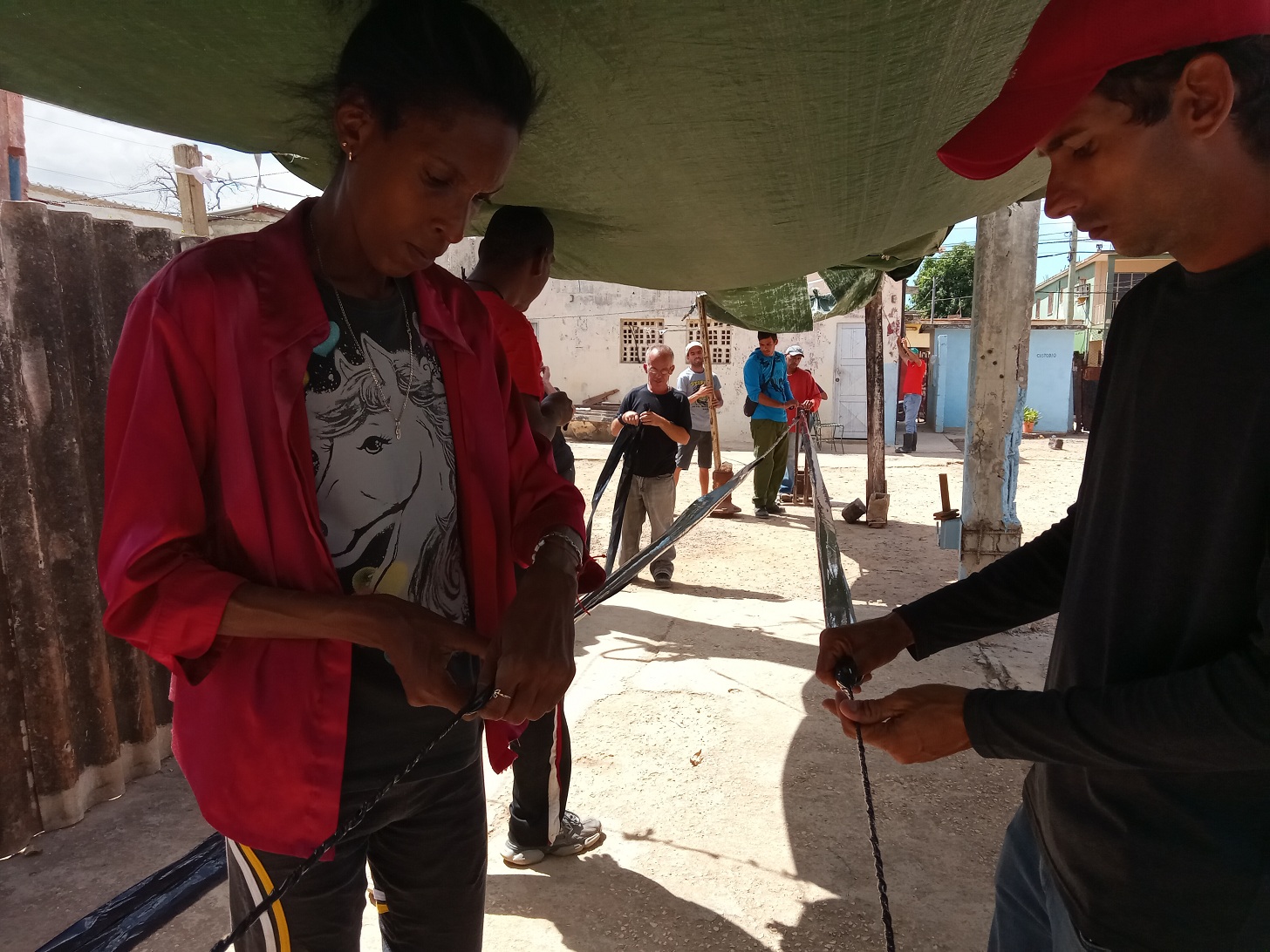
Yaneisis Cárdenas Pérez, head of Labor and Social Affairs in the province, discussed her exchanges with the presidents of associations of the deaf, the blind, those with physical‑motor limitations, and the intellectually disabled—the latter created only recently. She highlighted the importance of the workshops operating with membership from all four associations, under the Provincial Company of Various Productions in Güira de Melena, where despite shortages of raw materials, none of the workers have been declared redundant.
She noted that people with disabilities have also joined new economic actors in Artemisa, though in smaller numbers. In this context, she insisted on the need to raise awareness, remove architectural barriers, promote inclusion, and adapt schedules and labor rules to their possibilities.
Lisbeth Bermúdez Rodés, CTC’s general secretary in the territory, urged persuading those under 35 who are not yet employed—a significant figure—to seek opportunities, stressing the right of all to contribute to the society in which they live.
She also referred to Article 40 of the Constitution of the Republic, which establishes “the obligation of the State, society, and families to protect, promote, and ensure the full exercise of the rights of persons with disabilities.”
“We do not always have the required conditions to facilitate their rehabilitation or quality of life within our workplaces—whether in furniture, lighting, or other aspects—and we must address this to achieve their personal autonomy and participation,” she emphasized.
Acerca del autor
Desde 2005 el periodismo me abre las puertas en Radio Artemisa, con la posibilidad de reorientar mi carrera al cursar estudios en el Instituto Internacional de Periodismo José Martí. Soy licenciada en Educación, en la especialidad de Defectología, y ya había cumplido varias tareas, incluso en la Unión de Jóvenes Comunistas.
Los resultados en el medio radial me condujeron a que, en 2011, al crearse la provincia de Artemisa, ocupara la responsabilidad de Corresponsal Jefa de la Agencia de Información Nacional, nombrada poco después Agencia Cubana de Noticias.
En ese mismo tiempo, alternaba como parte del ejecutivo de la Unión de Periodistas de Cuba, en el territorio, y posteriormente me desempeñé como su Presidenta; hasta que, en agosto de 2014 la dirección del Partido me designó directora del su Órgano Oficial, el periódico El Artemiseño, labor que continúo desempeñando.
Las funciones de dirección siguen aportando a la pasión por el periodismo, de ahí que mantenga publicaciones del acontecer de mi provincia en mi órgano de prensa Artemiseño, y en medios nacionales de comunicación, con mayor estabilidad, y representando tanto de compromiso como de orgullo, en el periódico Trabajadores.
