



 Cargando...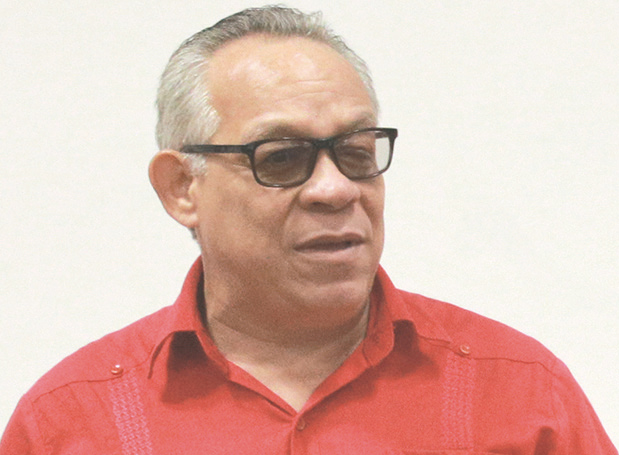
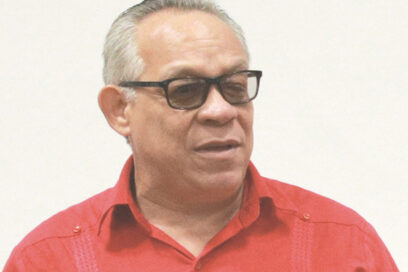
The Minister of Labor and Social Security (MTSS, in Spanish), Jesús Otamendiz Campos, presented to the delegates and guests of the 22nd Congress of the CTC the main modifications made to the Draft Law of the new Labor Code. The draft was analyzed during the last quarter of the previous year in 40,591 collectives — state-run, private, mixed, and Cuban missions abroad.
He assessed as positive the broad consultation process, from which 96,250 proposals emerged, 53% of which were accepted in whole or in part. This represents an invaluable contribution to improving and perfecting the future legal norm, which incorporates provisions aimed at strengthening worker protection, as well as clarifying rights and duties in line with changes in the labor landscape.
The Project —he explained— incorporates adjustments derived from economic and social transformations, policies related to foreign investment, migration regulations, and other measures recently enacted, in order to harmonize labor legislation with the country’s economic reality.
The Minister specified that the Draft Labor Code consists of 518 articles distributed across four books. The first contains general provisions, such as its application to all workers and employers in the country, regardless of sector. It also extends from 24 to 30 working days the period for resolving individual labor disputes in the preliminary stage, aligning it with the judicial timeframe.
While Labor Justice Bodies will continue to have 5 permanent members and 4 alternates, exceptionally they may be formed with 3 and 3, respectively.
In the Second Book, Individual Labor Rights, the legal age to establish labor relations changes from 17 to 18 years, while maintaining special protection for adolescents aged 15 to 18 who exceptionally join the workforce.
It was agreed to extend to all territories the possibility of transferring labor collectives to temporarily or permanently address workforce shortages — a measure currently limited to Havana. Remote work from abroad is also permitted, at the employer’s discretion, provided conditions allow and under employer supervision.
A new right is included: unpaid leave for workers with family members in a state of dependency requiring assistance with essential daily activities, when care through the National Comprehensive Life Care System is not feasible.
Social service remains at three years, but suspension is now justified if the worker pursues studies abroad for personal interest related to their professional profile, with employer approval. Additionally, workers may now appeal to the courts against any disciplinary measure imposed.
