




 Cargando...
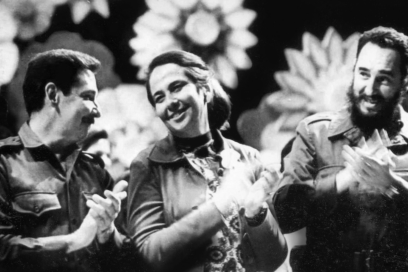
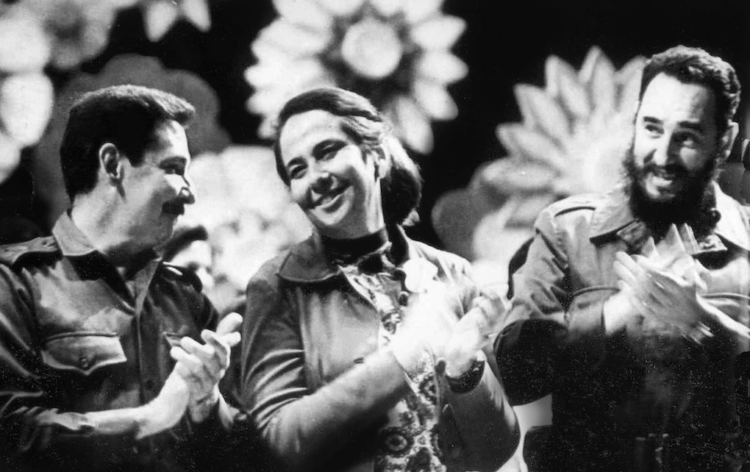
This year, the commemoration takes on special significance as it is dedicated to the centenary of Commander in Chief Fidel Castro Ruz and to Vilma Espín Guillois, an emblematic figure and eternal president of the Federation of Cuban Women (FMC, in Spanish).
This day not only celebrates the progress made by women in Cuban society, but also highlights their fundamental role in the labor and trade union movement—especially at a time when the country faces a severe energy crisis due to the intensification of the economic, commercial, and financial blockade imposed for more than 65 years by the United States government.
Indispensable Protagonists
Since the triumph of the Revolution in 1959, women have been indispensable protagonists in building and consolidating Cuba’s socialist system. It is undeniable that the history of the Cuban trade union movement cannot be written without acknowledging the decisive contribution of women as workers and leaders. Over the decades, these fighters have occupied key positions in the Workers’ Central Union of Cuba ([su_tooltip title=»Central de Trabajadores de Cuba (CTC)» text=»The CTC (Workers’ Central Union of Cuba) was founded on January 28, 1939 by Lázaro Peña under the name Confederación de Trabajadores de Cuba (Confederation of Cuban Workers)» background=»#fa9800″]CTC[/su_tooltip]) and in unions at all levels of leadership, becoming a fundamental pillar in defending and promoting labor rights.
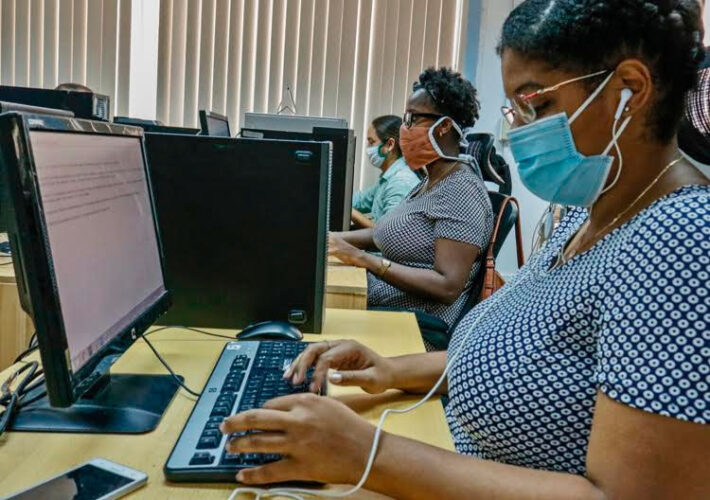
Women’s active participation in the CTC and unions has made visible the specific challenges they face in the workplace. Their incorporation into strategic sectors such as education, health, and industry has amplified the female voice in diverse forums on labor and social policies.
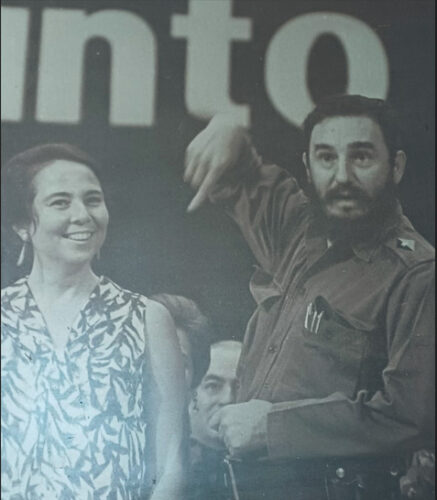
The influence of female leaders like Vilma Espín has been crucial not only in structuring the FMC but also in shaping an inclusive trade union movement that fosters gender equity. Her leadership is reflected in the creation of programs to incorporate women into decision-making positions and in promoting policies aimed at eliminating workplace discrimination.
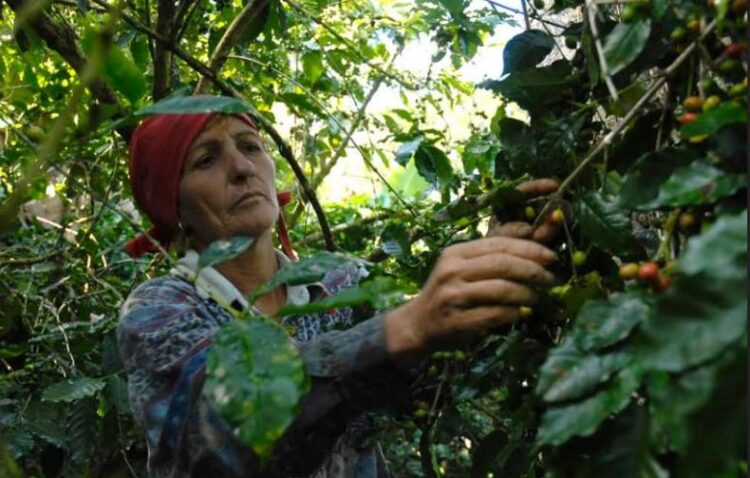
Today, Cuba is undergoing an update of its economic and social model, where women’s role is even more relevant. Union members have actively participated in discussions and proposals addressing national needs, demonstrating creativity and proactivity that have led to the incorporation of gender perspectives in various areas of development—essential for ensuring equity in all aspects of life.
Cuban women workers have taken on responsibilities in priority initiatives, showing their commitment to the country and their willingness to face current challenges. Critical moments, such as the worsening of the blockade, have underscored the importance of having female leaders capable of articulating strategies of defense and resilience to preserve social achievements.
Through collective bargaining, the Cuban trade union movement has worked tirelessly to protect women workers, incorporating them into regulations designed to safeguard their well-being, especially in jobs with higher risks or abnormal conditions.
Union actions have established mechanisms of care and protection for women workers, not only through labor legislation but also via training programs and awareness initiatives about their rights. Examples include efforts to reduce gender-based violence in the workplace—no matter how minimal its manifestations—and to promote equality in access to employment and promotion opportunities.
Cuban women, who represent about 25 percent of the workforce, have earned a prominent place in the labor sphere thanks to access to education, health, and social security—progress made possible by the constant struggle of unions to eliminate barriers to professional development.
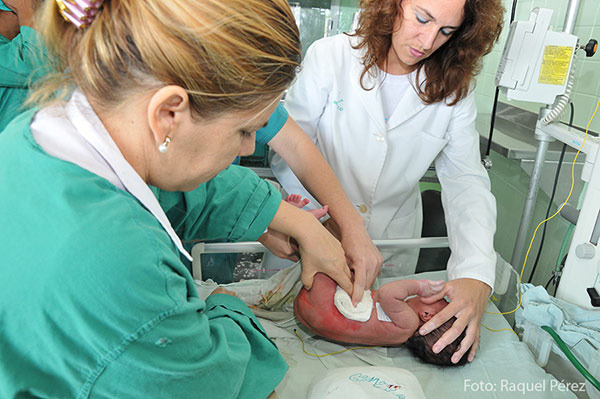
The upcoming 22nd Congress of the CTC, scheduled for this year, promises to be a space for reflection and action on the situation of women workers in Cuba. One of its working commissions will specifically address women’s issues, focusing on eradicating all forms of discrimination and fostering gender equity in the workplace.
This event will not only recognize achievements but also promote a strong agenda to confront persistent challenges. The consolidation of other spaces projected by the CTC and unions—such as conferences and assemblies—where solutions to women’s labor issues are discussed will be key to advancing toward fairer and more equitable development.
The Cuban state has also shown commitment to addressing women’s demands, channeling them through effective policies and action programs. Professional guidance, training, employment, improved working conditions, and quality of life are central areas of focus.
Nevertheless, despite progress, many challenges remain. It is essential to ensure that policies translate into concrete changes that positively impact women workers’ lives. Their active participation in policy formulation will be decisive for achieving significant advances.
March 8 is undoubtedly a meaningful date that invites us to honor the contribution of women’s forces in Cuban society. The creativity, guidance, and passion of female leaders at different levels show that women have been—and will continue to be—an essential driving force in the country’s labor and trade union movement.
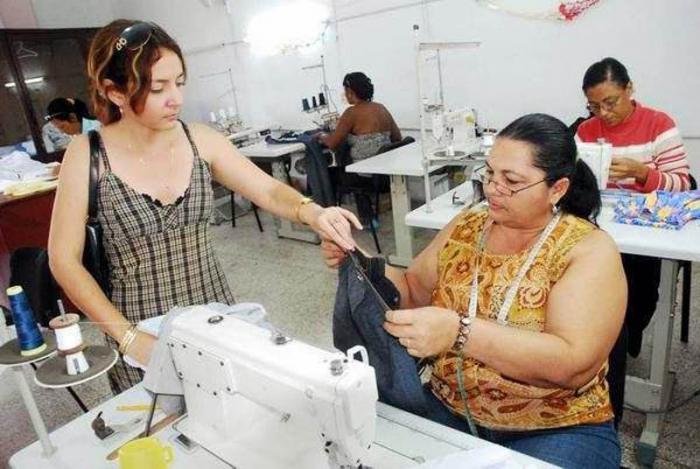
Recognizing women’s role in the Cuban revolutionary process and defending their labor rights is not only an act of historical justice but also a pressing need to advance toward a more equitable society. Past struggles remind us that the road to gender equality is long and complex, but the determination and courage of Cuban women, supported by the trade union movement, guarantee that this path is being pursued with resolve.
Thus, on International Women’s Day, let us remember that the fight for equity and the rights of Cuban women workers continues, and it is up to all of us to strengthen solidarity and support for a future where equality is the rule, not the exception.
