


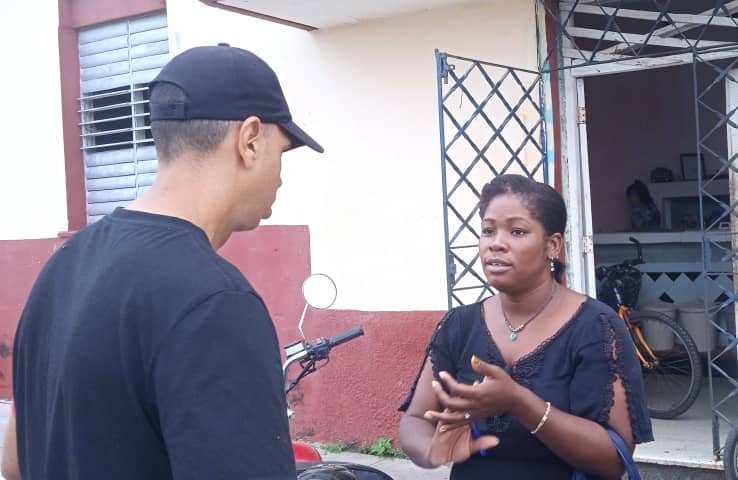
Approaching workers from the new forms of non-state management (FGNE, in Spanish), promoting membership and defending their rights, continue to be challenges for the trade union movement in Matanzas, one of the five provinces with the largest number of these economic actors.
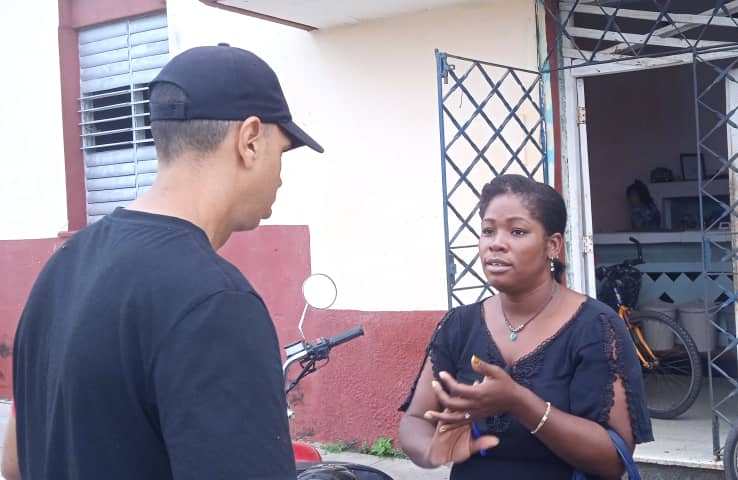
«Wherever there is a working relationship, regardless of whether it is state-owned, we must be there to listen, represent and defend if necessary,» considers Marielys Gómez Hernández, Secretary-General of the Provincial Bureau of the National Union of Food and Fishing Industry Workers (Sntiap, in Spanish).
Her stance is supported by the systematic link with the private sector. This is illustrated in her recent exchanges with managers and employees of my SMEs To Listo and Mininos Café.
Gómez Hernández said that in the two meetings they discussed aspects related to Law 189 of the Labor Code, the 176 economic and social transformations, and the advantages of union membership.
«It was very interesting the interest shown by the participants on rights and duties, contractual relations and the importance of having an organization capable of accompanying them, representing their interests and defending them as we have already done with other FGNE».
For the young trade union leader, although «these approaches are necessary, the challenge goes far beyond explaining legislation or promoting membership.» It presupposes, she appreciated, building a relationship of trust with workers who, in not infrequently, may find themselves unprotected against decisions by their employers, breaches of the agreement or violations of their rights.
Gómez Hernández, Licentiate in Foreign Languages, insists on the connection with workers, no matter whether the source of affiliation is state or private, they must be advised, accompanied in conflicts and demand compliance with the provisions of labor legislation.
And reason is not lacking. Membership, a voluntary decision, should not become a mere statistical indicator or an organizational growth goal. And this challenge is faced by a province like Matanzas, key in the Cuban business network, at a time when the growth and diversification of the FGNE economic management forces to transform also the ways of doing unionism.

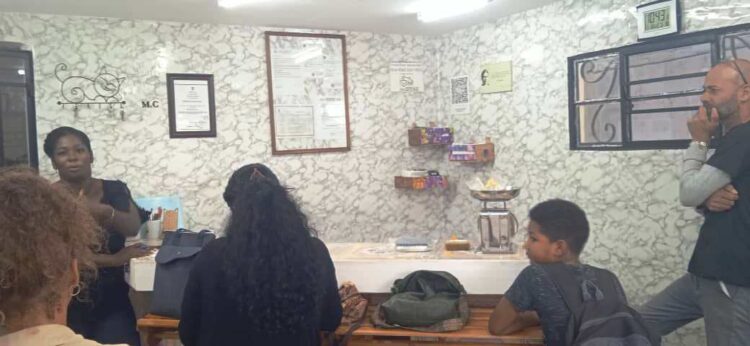
As Osmar Ramírez, general secretary of the Provincial Committee of the Central Workers in Cuba (CTC) on Matanceros buildings, argues, the union has to prove its usefulness precisely when conflicts arise, when a worker needs guidance, a contract is not respected or when he feels that he has no one to turn to.
According to Ramírez, if non-state actors feel that they have an organization that listens and defends them, this can make the difference between having rights recognized in a document, and being able to actually exercise them.


