

After several days between the usual vacation and a very tight return to work, we come back to this communication space with a new series of posts about Cuban reality. Let’s begin:

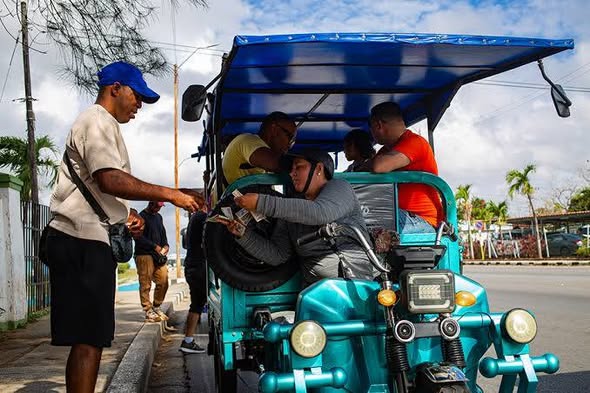
In the morning, I stopped early at the corner of Infanta and Manglar. It had been a long time since I went to the bus stop at La Normal park, because buses rarely pass there and when they do, it’s pure guesswork about the hours. The electric tricycle came slowly down Infanta with only two seats occupied. “Driver, does this go as far as San Lázaro?”
The affirmative answer came with a price that was double what it had been just a week earlier. Did something change? Did the kilowatt of electricity go up, or did someone at the charging station or house where the tricycle is plugged in impose a new fee, adding more inflation and pressure to the pot? “You are a blessing, but have some consideration for the people,” said the retired grandmother as she boarded the vehicle after collecting her pension at the bank and waiting three hours in line.
There is no fiction here. It happened on Tuesday, September 8. Without a doubt, electric transport—mostly private—is today what drives the daily rhythm of Havana and many other parts of the country. They are not comfortable (sometimes six people squeeze in tightly), they are slow (they don’t go beyond 30 to 40 km/h), and even semi‑official stands are beginning to appear to cover the busiest routes.
The undeniable truth is that these three‑ or five‑wheeled vehicles have at least allowed us to move around for months, because fuel is scarce and the remaining cars cost thousands of pesos… thousands that only the “new rich” can pay, not the factory worker, schoolteacher, or hospital doctor.
Some of these tricycles are already being assembled in Cuba and put into social use. Provinces have visible experiences, much appreciated by the people.

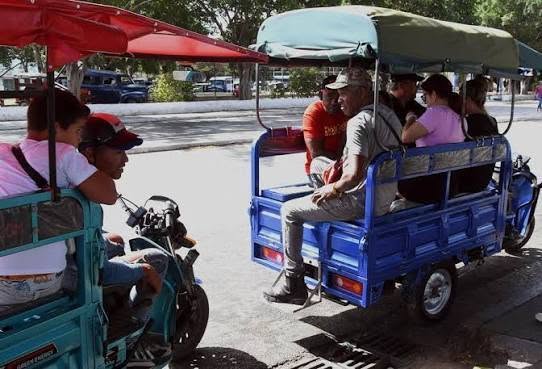
Others are imported, and often the owners are not the drivers; instead, they hire people who must hand over a daily quota of money to the boss. Some prefer to rent them out for transporting goods, earning less per day but avoiding the problems with passengers, who recognize their need but feel the pinch when prices rise only due to speculation or unilateral decisions.
Not all drivers of these tricycles have licenses, some invade the left lanes when they should drive on the right, and a few have overturned due to sharp turns or excessive loads. There are also those who already install solar panels on their roofs and even play music—fortunately not always reggaeton.
In any case, electric tricycles are here to stay in today’s Cuba, and perhaps tomorrow’s as well. Only, the retired woman who boarded at Infanta and Manglar was absolutely right to inspire this chronicle: “They are a blessing, but have some consideration for the people.”


