

A friend often complains that people look less and less into each other’s eyes. The eyes, mirrors of the soul! as the saying goes. More and more, attention is fixed on phone and computer screens, pushing direct eye contact into the background.
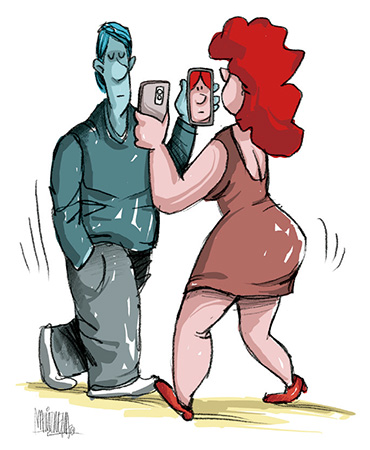

Looking someone in the eyes is more than a gesture: it is recognition, connection, and trust. Yet in the digital age, this act has faded. Experts warn that the consequences are profound. Socially, empathy and attentive listening weaken. Eye contact, once reinforcing communication, is replaced by brief messages and quick replies. Emotionally, it creates isolation: surrounded by people, yet interactions remain superficial.
The nostalgia for lost gazes is not just romantic longing; it is a warning about the risk of losing the richness of human communication. Restoring the habit of looking into someone’s eyes may seem small, but it is an act of resistance against “digital dehumanization.” By rediscovering the gaze of others, we may reclaim the humanity that screens have stolen.
Once an invisible bridge between hearts and a source of poetic inspiration, the gaze now fades before the cold glow of devices. Where tenderness and silent complicity once lived, a screen now distracts and divides.
Perhaps one day, weary of the virtual world, men and women will raise their eyes more often, recognizing sadness or joy in others, discovering truths no digital device can offer. In that shared light, we will understand that the gaze is a silent pact, a refuge, a reminder that we remain human.


