

Economists said it from the beginning: capping prices by decree is not a magical solution for any economy, since the market—especially sellers—will always try to bypass them. Costs can vary (for example, fuel today), demand for a product may increase, and the lack of systematic oversight and rigor from inspectors all combine into complex dynamics that end up making holes in the buyer’s pocket.
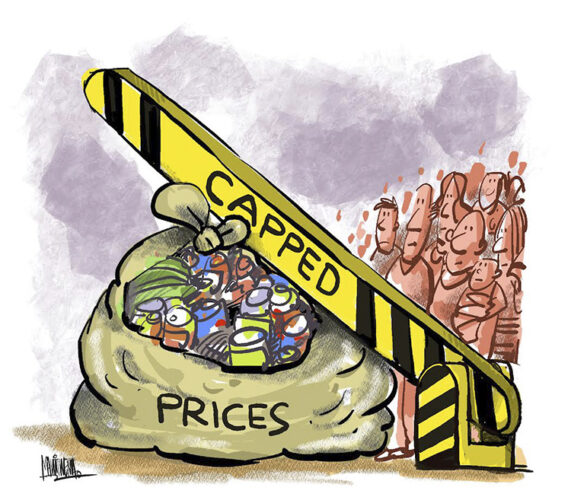

Essential products such as powdered milk, detergent, oil, sausages, pasta, and cut-up chicken were capped by the Ministry of Finance and Prices in July 2024 under Resolution 225, which also exempts these imports from customs duties and allows up to a 30% profit margin, provided they do not exceed the prices defined in the regulation.
All of this, without exaggeration, has remained a great illusion, with some exceptions in certain places. Added to this are agricultural products at weekly fairs, which are also capped by local authorities before sales begin. Yet when you reach the stall, the price is inflated anyway, leaving only two options: make a scene and try to track down government officials to enforce your right, or simply pay the price the seller decided without protest.
These are realities we face daily, and the most damaging aspect is that many people have internalized the idea that anyone who demands the capped price is “conflictive or stingy.” The prevailing attitude is that it’s better to pay whatever the seller asks because “he’s hustling” and solving what cannot be found in state supply.
Unfortunately, this undermines the credibility of local governments tasked with oversight and of inspectors, who only function during official operations. Individually, they are easy prey for bribery. Theories such as “there will always be someone who pays” or “I’d rather throw away the product than sell it at the capped price” are gaining ground to the detriment of the people.
This journalist has no magical solution, but what is clear is that a vital issue for citizens’ survival and governmental trust has gotten out of hand. And there is still time to stop it and put limits in place. Tomorrow will be too late.


