

Since the COVID-19 pandemic, our lives have changed not only in terms of health care, but also in work schedules, eating habits, and in an area that may seem minor to some, yet rewards effort and provides joy and entertainment for workers and families.
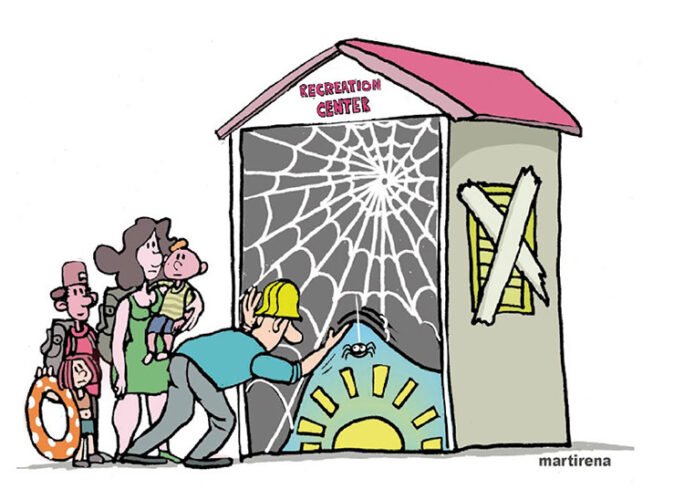

Despite economic scarcity and the fact that new technologies keep many at home, the greatest dissatisfaction—expressed even in provincial conferences of the 22nd Congress—continues to focus on returning villas or houses to companies, unions, or the Cuban Workers’ Federation itself, so they can once again manage them and offer incentives to the most outstanding workers at more affordable prices, even though many of these facilities are in serious deterioration due to poor or nonexistent use in recent years.
The electricity situation also conspires against this issue, but private businesses manage to stay open, although their prices are prohibitive for most workers and intellectuals in the country. However, it seems more a lack of management than a real impossibility to reactivate state-run facilities (social clubs, music venues, restaurants, cafeterias) with a quality similar to private ones, but with less aggressive prices, and even distribute access through unions or workplaces as was done in the past.
We are not dreaming or talking about something from the past or impossible. In some provinces, progress is being made, with participation not only from the state but also from private or cooperative economic actors, after reaching agreements on the final costs. So, can it be achieved or not? Is there total resistance, or is it simply a matter of unions fighting for recreational options that should not cause losses to entities or private owners, but also should not drain the pockets of workers as happens today with a simple outing?
The solitude we see in many cities at night can be changed. Folding our arms or ignoring our people should never be the option.


