

The consultation on the draft Labor Code Law is the most important political process currently undertaken by the labor movement. Its significance lies in the fact that, once approved, it will govern the country’s labor life.

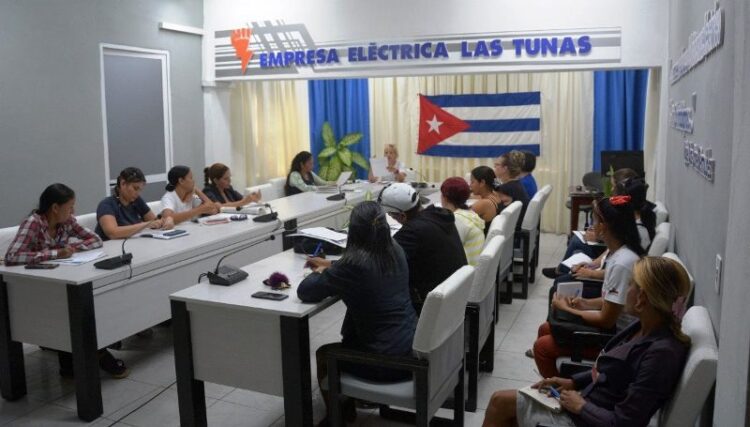
Dagmara Peña Sánchez, member of the Provincial Secretariat of the Cuban Workers’ Central (CTC) in Las Tunas and responsible for Labor and Social Affairs, emphasized the principle behind this act of participatory democracy.
Motivated by this, the CTC in the region created a schedule of preparatory actions involving union and administrative leaders, legal experts, and activists at all levels, who will lead the discussions. She stressed the importance of ensuring organized and well-prepared participation from everyone involved.
She predicted that in this eastern Cuban province, more than 78,000 workers—both from the state and private sectors, whether affiliated with the union or not—will have opportunities to take part in the consultation, which begins on the 8th and will run until November 30.
The program includes 1,891 meetings where participants can share opinions, suggest changes, and raise issues not yet addressed.
The union leader urged workers to study the document thoroughly before the meetings. As specialists have noted, the draft introduces proposed updates to protect all workers, modernize labor relations, and adapt to the current economic reality, with extended protections for the private sector.
She emphasized that the new Labor Code updates and improves regulations that ensure the protection of rights and the fulfillment of duties stemming from individual legal-labor relationships between workers and employers, regardless of the sector in which they work.
Peña Sánchez noted that various unions are carrying out numerous preparatory actions to ensure the quality of the process and the fulfillment of its stated objectives.
In summary, the consultation on the draft Labor Code Law aims to enrich the document with contributions from Cuban workers—both state and private, including those collaborating abroad or working on international missions. It is designed to expand workers’ guarantees and rights in labor legislation.
Olgalidi Alapón Travieso, an expert from the Legal and International Relations Directorate of the Ministry of Labor and Social Security, explained that the draft was developed by a temporary working group that studied comparative legislation from 17 countries and the 90 international conventions ratified by Cuba.
She added that the multidisciplinary group included representatives from government bodies, legal specialists, university professors, organizations, employers, and union leaders, who identified the issues that needed to be modified, added, or updated.


